Do you play in your daily life? What says “playtime” to you?
Yes—I do play in my daily life.
But my playtime doesn’t always look like games or entertainment. Sometimes, it looks like walking—a space of freedom where I enter what Csikszentmihalyi calls “flow." It is a state where challenge and skill balance perfectly in the rhythm of my steps, and I am fully present without the pressure of productivity.
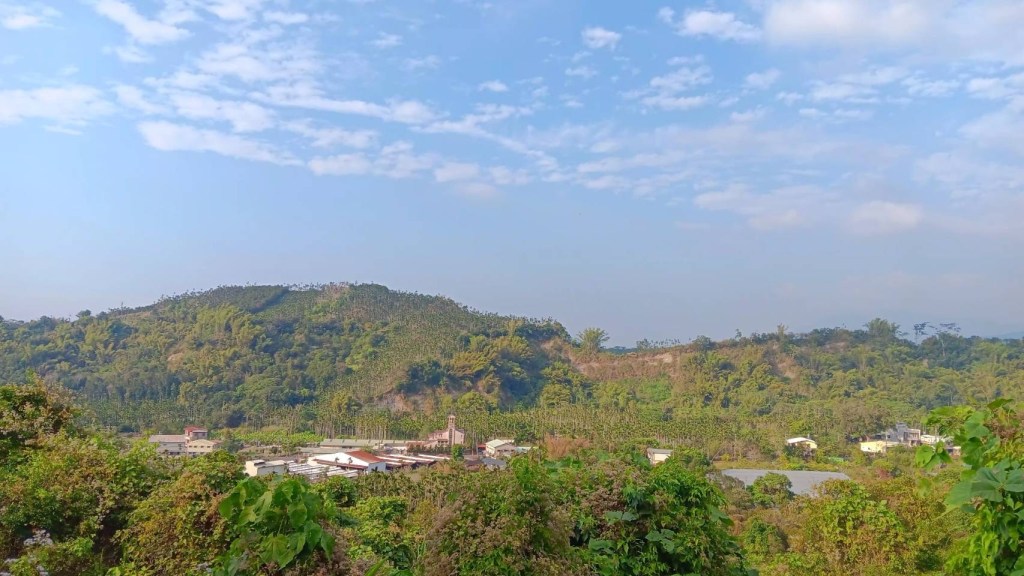
Right now, I am writing this while walking on a mountain road.
This morning, I drove a friend to a school high in the mountains of Taiwan. He is training there with a weightlifting coach who works with students from high school to adulthood. After dropping him off, I made a choice: instead of waiting passively, I decided to walk.
As I move, I realize: this is my playtime.
In this moment of honest self-talk and connection with the Lord, I experience deep immersion—my attention absorbed in the now, time stretching gently.
1. Play as Freedom: The Space to Be
For me, playtime is a space of freedom. It is a moment where I can be with myself, talk honestly inside, and stay connected with the divine.
It is not about efficiency. It is not about KPI.
It is about Presence.
This echoes Seligman’s PERMA model: the engagement of movement, the positive emotions from simple exchanges, the relationships with others and nature, the meaning found in creation, and the quiet accomplishment of choosing joy.
2. Overcoming the “Bad Faith": Fear vs. Reality
This morning, when I woke up around 7:30, the wind outside was strong and cold. Winter is arriving.
I remember thinking: “Do I really need to go up the mountain today?"
Fear and hesitation often come from our imagination. Sartre called this “bad faith"—where we impose limits on ourselves before reality even unfolds.
But then, Dweck’s growth mindset kicked in. Once I stepped outside and met the coach, everything felt warm and real. I even gave him a book about how we live and see life. That simple exchange brought joy, boosting what Bandura calls self-efficacy.
As I walk now, I realize something important:
Many of our limits exist only in our imagination, not in reality.
Fear is often something we create before anything has actually happened. This is Kolb’s experiential learning cycle in action—my concrete experience on the mountain leads to reflection, which dissolves the abstract fear and invites me to embrace the path ahead.
3. The Divine Flow: Noticing the Green in Winter
We don’t need permission to enjoy the world.
God created the world with beauty, and creativity flows from His divine will. This reminds me of Ignatius of Loyola’s spiritual exercises—slowing down to notice the sacred in the ordinary.
When I look up now, the trees are still green—even in winter. They stand quietly, rooted and steady.
Even though my report isn’t finished yet, I’m choosing to enjoy this moment. The air. The movement. The silence.
In the framework of Life Design (Burnett & Evans), this playful pause is not a waste of time; it is what rekindles vitality for the tasks ahead.
Writing this reminds me of something I already know but often forget:
When I slow down, listen, and stay connected to Christ—the source of life—reality feels alive again.
It flows gently through my body and my days, like the Christian tradition of resting in divine flow.
And in that flow, life feels quietly, deeply beautiful.
Reflection for You:
If “play" isn’t about games, but about a state of freedom and flow, what does your playtime look like today?
 Light Seeker | 找到你的光
發表留言