Do you have a favorite place you have visited? Where is it?
I always thought this was a simple question—until today.
Right now, I am literally walking through the park at the Southern Branch of the National Palace Museum in Chiayi. As I dictate this, the answer feels suddenly, vividly alive.
I’m here to meet a graduate school classmate, and later we’ll travel to another city to visit another friend. But for this quiet pocket of time, it’s just me, this vast park, and the sunlight.
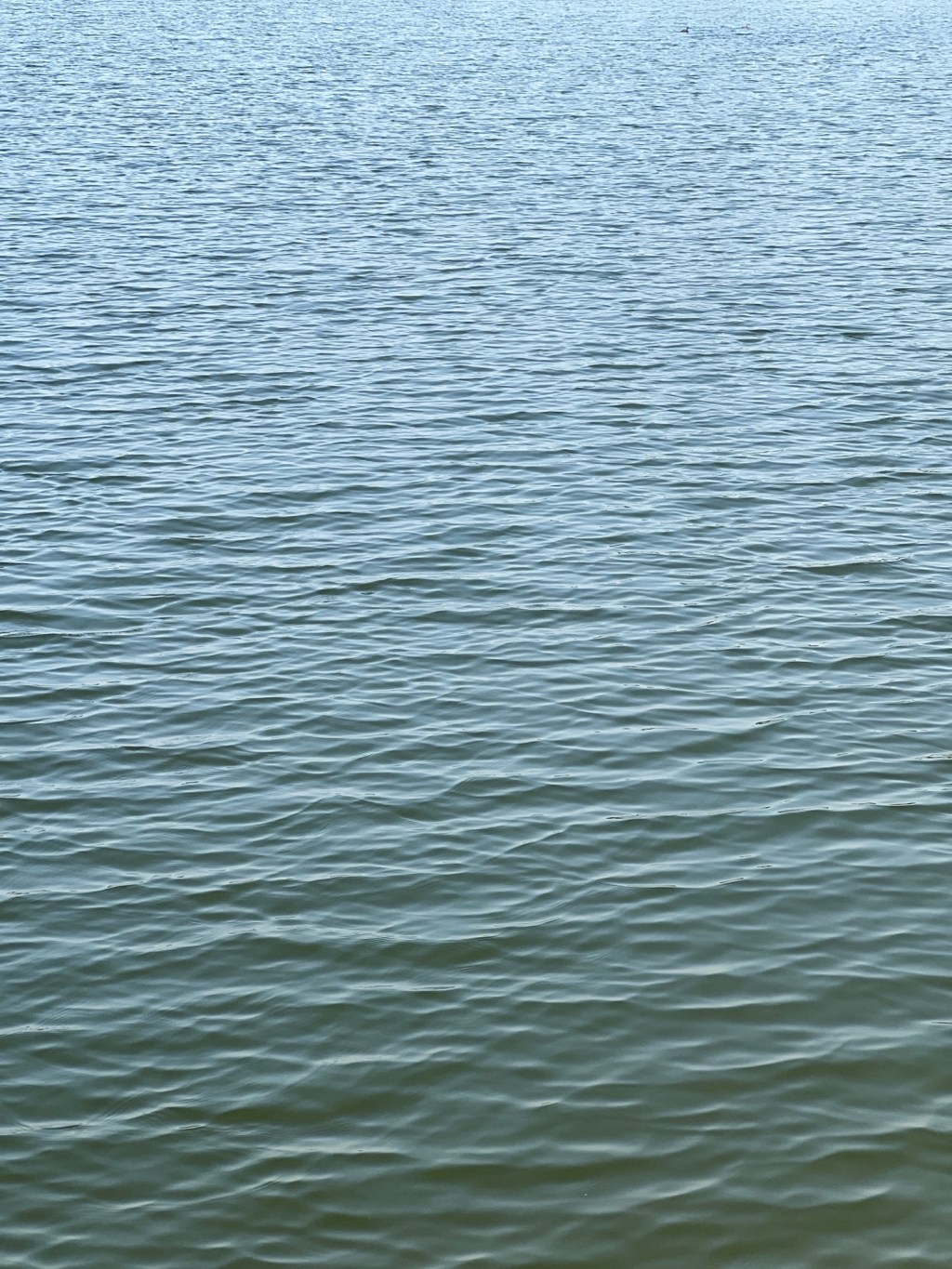
There are very few people here. The space is wide open, clean, and modern. Grand architecture reflects off a massive lake, creating a scene that instantly quiets the mind. The sun feels warm on my skin—it is truly comfortable here.
Is this my favorite place?
Maybe not the only one, but in this moment, it is definitely one of them.
Finding Solitude in the Open
One reason I love it here is the distance—it’s far enough from where I live to feel like a getaway. It feels like the world has paused. I can completely be myself.
I picked a spot under a tree to open my diary and “write"—or rather, to record these thoughts. The sun feels like it’s pouring over my whole body. The wind brushes gently against my face. Even though it is December, the trees are still a vibrant green, not yet turned to yellow, and the grass is soft beneath my feet.
A bird just landed by the lake to drink, then fluttered up into the branches. It’s gone now, but the peace remains.
The Concept of the “Third Place"
I think this might be my “Third Place.”
Recently, I’ve been writing about this concept. Urban sociologist Ray Oldenburg used the term to describe places that are neither Home (First Place) nor Work (Second Place), yet feel like they belong to us. Cafés, parks, community spots—places where we can show up as ourselves, find a sense of belonging, and breathe a little between our roles.
But as I sit here, a question arises:
Do we really need a physical location to feel this peace?
Or… can we become the “Third Place” ourselves?
What if we are the safe harbor?
If we can cultivate that spaciousness inside, then anywhere we go can become beautiful and peaceful.
The Capacity to Feel
Yesterday, I met a college senior. She shared her story with me, and we didn’t just stay on the surface; we talked from the bottom of our hearts. I realized then: If we dare to ask deeper questions, we can have deeper conversations.
Her words reminded me of a passage from the book Happier. It suggests that the deeper our capacity to feel sadness or misery, the deeper our capacity to feel happiness.
Modern psychology often views emotional life as a whole system rather than dividing feelings into “good" or “bad." When we allow ourselves to feel fully—without shutting down sadness or envy—we also widen our container for joy and meaning.
Emotions are just experiences passing through us. We can observe them like a third person watching waves: sadness, envy, anger, joy.
When I feel angry, I can say, “Oh, I’m angry right now. Why? What is this anger trying to tell me?"
And then I can also say, “It’s okay. Anger is just another emotion."
Alive and Human
The book mentioned research suggesting that there are only two kinds of people who cannot feel emotions: those with severe psychological disconnects, and the dead.
If I can feel envy, sadness, happiness, joy, and anger, it means I am alive.
It means I am a normal, breathing human being.
And that, in itself, is something beautiful.
A Note to You
The architecture here is grand, a mix of modern styles and nature. I’ve finally found a perfect spot to sit, so I will end this little essay here.
I just wanted to share this moment with you.
We live in a world that often feels “flat" because of the internet. You are there, and I am here. Yet, somehow, we can still meet in this paragraph.
If you are curious about finding your own “Third Place"—a space where you can find yourself—you are welcome to write to me.
Okay, I’ll keep walking now.
Goodbye.
💡 Life Designer’s Notes: The Theory Behind the Feeling
If you are someone who likes to understand the “why” behind these feelings, here are a few gentle lenses you can bring to today’s reflection:
1. Third Place and Belonging (Ray Oldenburg)
Being in a “Third Place" is linked with feeling socially connected and emotionally restored. In my story, the museum park works as this space—but the deeper invitation is to carry that sense of safety inside you, so you can offer it to others, too.
2. Emotional Range and Well-being
Positive psychology emphasizes that emotional health isn’t about “feeling good all the time." It’s about experiencing a full range of feelings. Emotional depth in one direction (sadness) opens depth in the other (joy).
3. The Observer Stance (Mindfulness)
When you notice your anger with curiosity instead of criticism (“Oh, I’m angry right now"), you are taking a mindful stance. This is a core part of self-compassion—acknowledging that emotions are waves passing through you, not evidence that something is wrong with you.
4. Relational Spaces
My conversation with the student shows how people can become “moving third places" for one another. When we listen deeply, we create a safe inner courtyard where people can show up as they really are.
 Light Seeker | 找到你的光
發表留言